
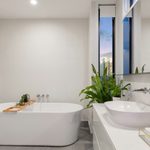
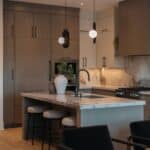
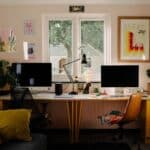


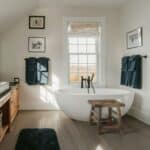




In today’s fast-paced world, where the boundaries between work and personal life are increasingly blurred, creating a home environment that fosters both mindfulness and productivity has never been more crucial. As we step into 2025, the concept of Home Harmony—the art of designing living spaces that nurture mental well-being while enhancing efficiency—has gained significant traction. This blog post delves into the principles of Home Harmony, explores the latest trends in mindful and productive home design, and provides actionable strategies to transform your living spaces into sanctuaries of balance and functionality.

The Importance of Home Environment on Mindfulness and Productivity
The Interplay Between Space and Mental Well-Being
Our living environment profoundly influences our mental state and daily productivity. A cluttered, chaotic space can lead to increased stress, anxiety, and diminished focus, while a well-organized, aesthetically pleasing environment can enhance mood, promote relaxation, and boost efficiency. Home Harmony recognizes this interplay and emphasizes creating spaces that support both mental well-being and productive endeavors.
The Rise of Remote Work and Its Impact
The global shift towards remote work, accelerated by technological advancements and societal changes, has made the home not just a place of rest but also a primary workspace. This dual role necessitates a thoughtful approach to home design, ensuring that spaces are conducive to both relaxation and work. Home Harmony addresses this by advocating for environments that seamlessly integrate personal and professional needs without compromising either.
Key Principles of Home Harmony
1. Mindful Design
Mindful design focuses on creating spaces that promote mental clarity, relaxation, and emotional balance. It incorporates elements that encourage mindfulness practices and reduce stress.
Elements of Mindful Design:
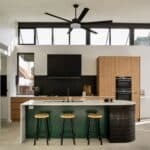
- Natural Light: Maximizing natural light through large windows, skylights, and light-colored interiors to enhance mood and energy levels.
- Calming Color Palettes: Utilizing soft, neutral colors like blues, greens, and earth tones to create a serene atmosphere.
- Minimalism: Reducing clutter and embracing simplicity to foster a sense of calm and order.
- Biophilic Elements: Incorporating plants, natural materials, and nature-inspired décor to connect with the natural world and improve air quality.
2. Productivity-Enhancing Design
Productivity-enhancing design focuses on creating environments that support concentration, efficiency, and effective workflow.
Elements of Productivity-Enhancing Design:
- Ergonomic Furniture: Investing in comfortable, supportive furniture that promotes good posture and reduces physical strain during work.
- Dedicated Workspaces: Establishing specific areas for work to create a psychological boundary between professional and personal life.
- Optimal Lighting: Ensuring adequate lighting, both natural and artificial, to reduce eye strain and maintain alertness.
- Organizational Systems: Implementing storage solutions and organizational tools to keep workspaces tidy and minimize distractions.
3. Integration of Mindfulness and Productivity
The essence of Home Harmony lies in seamlessly blending mindful and productive elements to create harmonious living spaces. This integration ensures that each area of the home serves multiple purposes, supporting both relaxation and efficiency.
Strategies for Integration:
- Multi-Functional Spaces: Designing rooms that can adapt to different needs, such as a guest room that doubles as a home office.
- Flow and Accessibility: Arranging furniture and décor to promote easy movement and accessibility, reducing stress and enhancing functionality.
- Personal Touches: Incorporating personal items and meaningful décor to create a sense of ownership and emotional connection to the space.
Latest Trends in Home Harmony for 2025
1. Sustainable and Eco-Friendly Design
Sustainability continues to be a significant trend in home design. Eco-friendly materials, energy-efficient appliances, and sustainable practices are integral to creating harmonious living spaces that respect the environment.
Key Elements:
- Recycled and Upcycled Materials: Using furniture and décor made from recycled or upcycled materials to reduce waste and environmental impact.
- Energy-Efficient Lighting: Implementing LED lighting, smart lighting systems, and natural light optimization to conserve energy.
- Green Building Practices: Incorporating sustainable building practices, such as passive solar design and green roofs, to enhance energy efficiency and environmental sustainability.
2. Smart Home Technology
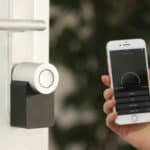
Advancements in smart home technology have revolutionized how we interact with our living spaces. Integrating smart devices enhances both mindfulness and productivity by automating tasks and creating personalized environments.
Key Innovations:
- Smart Lighting Systems: Automated lighting that adjusts based on time of day, occupancy, and personal preferences to create the ideal ambiance for relaxation or work.
- Voice-Activated Assistants: Utilizing voice-controlled devices to manage tasks, control smart appliances, and access information without interrupting workflow.
- Health and Wellness Tech: Incorporating devices that monitor air quality, regulate temperature, and track physical activity to support overall well-being.
3. Flexible and Adaptable Spaces
Flexibility is paramount in modern home design. Spaces that can easily adapt to changing needs support both mindfulness and productivity by providing environments that cater to various activities and moods.
Design Features:
- Modular Furniture: Furniture that can be reconfigured or moved to accommodate different activities, such as work, relaxation, or social gatherings.
- Convertible Rooms: Spaces that can transform based on time of day or specific needs, such as a living room that becomes a meditation space.
- Open Layouts: Open floor plans that allow for easy reconfiguration and promote a sense of spaciousness and freedom.
4. Wellness-Centric Design
Wellness-centric design emphasizes creating environments that support physical, mental, and emotional health. This trend integrates various wellness practices into the home to enhance overall well-being.
Key Components:
- Meditation and Yoga Spaces: Dedicated areas for meditation, yoga, or other mindfulness practices equipped with necessary props and serene décor.
- Spa-Inspired Bathrooms: Bathrooms designed with spa-like features, such as soaking tubs, rainfall showers, and calming color schemes to promote relaxation.
- Healthy Living Zones: Areas designated for activities that promote health, such as home gyms, cooking spaces for nutritious meals, and relaxation corners.
Practical Strategies for Achieving Home Harmony
1. Declutter and Simplify
A clutter-free environment is foundational to both mindfulness and productivity. Simplifying your space reduces stress, enhances focus, and creates a sense of calm.
Action Steps:
- Minimalist Approach: Adopt a minimalist mindset by keeping only items that are functional, meaningful, or bring joy.
- Organizational Tools: Utilize storage solutions like shelves, baskets, and drawers to keep belongings neatly organized and out of sight.
- Regular Decluttering Sessions: Schedule regular times to assess and declutter your space, ensuring that it remains organized and free from unnecessary items.
2. Optimize Lighting
Lighting plays a crucial role in setting the mood and enhancing productivity. Proper lighting can reduce eye strain, boost energy levels, and create a welcoming atmosphere.
Tips for Optimal Lighting:
- Natural Light Maximization: Use sheer curtains or blinds that allow ample natural light to enter while maintaining privacy.
- Layered Lighting: Combine ambient, task, and accent lighting to create a versatile and functional lighting scheme.
- Adjustable Lighting: Invest in lighting fixtures with adjustable brightness and color temperature to adapt to different activities and times of day.
3. Create Dedicated Zones
Designating specific areas for different activities helps in maintaining focus and establishing clear boundaries between work and relaxation.
Steps to Create Zones:
- Work Zone: Set up a dedicated workspace with ergonomic furniture, sufficient lighting, and necessary tools to enhance productivity.
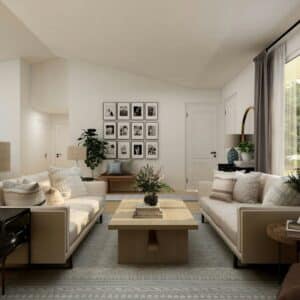
- Relaxation Zone: Create a cozy corner with comfortable seating, soft lighting, and calming décor for relaxation and mindfulness practices.
- Social Zone: Arrange spaces that facilitate social interactions, such as dining areas, lounges, or outdoor patios, to encourage connection and engagement.
4. Incorporate Nature
Bringing elements of nature into your home can significantly enhance mental well-being and create a soothing environment.
Ways to Incorporate Nature:
- Indoor Plants: Add a variety of indoor plants to purify the air, add color, and create a sense of tranquility.
- Natural Materials: Use materials like wood, stone, and bamboo in furniture and décor to add warmth and a natural aesthetic.
- Nature-Inspired Décor: Incorporate artwork, photographs, and decorative items that reflect natural landscapes and elements.
5. Personalize Your Space
Personalizing your home with items that reflect your personality and interests fosters a sense of belonging and emotional connection to your environment.
Personalization Tips:
- Meaningful Décor: Display artwork, photographs, and souvenirs that hold personal significance and evoke positive emotions.
- Customizable Elements: Use items like throw pillows, rugs, and curtains in colors and patterns that resonate with your personal style.
- Interactive Spaces: Create areas that allow for creativity and self-expression, such as a hobby corner or an art wall.
6. Embrace Technology Wisely
While technology can enhance both mindfulness and productivity, it’s essential to use it thoughtfully to avoid potential distractions and stressors.
Smart Technology Practices:
- Tech-Free Zones: Designate areas where digital devices are not allowed, promoting face-to-face interactions and uninterrupted relaxation.
- Smart Organization Tools: Utilize apps and devices that help organize tasks, manage time, and streamline workflows without overwhelming you.
- Mindful Tech Use: Set boundaries around technology use, such as limiting screen time and taking regular digital breaks to maintain mental well-being.
Actionable Tips for Creating Home Harmony
1. Start with a Vision Board
A vision board helps visualize the desired atmosphere and functionality of your home. It serves as a reference point for design decisions and ensures that all elements align with your goals for mindfulness and productivity.
How to Create a Vision Board:
- Collect Inspiration: Gather images, colors, textures, and ideas from magazines, online platforms like Pinterest, or design books.
- Define Your Goals: Clearly outline what you want to achieve in each space, whether it’s enhanced focus, relaxation, or social interaction.
- Arrange and Refine: Organize the collected elements on a board, experimenting with different layouts until you achieve a cohesive and inspiring vision.
2. Invest in Quality Furniture
Quality furniture not only enhances the aesthetic appeal of your home but also contributes to comfort and functionality, supporting both mindfulness and productivity.
Furniture Investment Tips:
- Ergonomic Design: Choose chairs and desks that promote good posture and reduce physical strain, especially in workspaces.
- Durability: Select furniture made from high-quality materials that can withstand regular use and maintain their appearance over time.
- Aesthetic Harmony: Ensure that furniture pieces complement each other and align with the overall design theme of your home.
3. Implement Smart Storage Solutions
Effective storage solutions are essential for maintaining an organized and clutter-free environment, which is fundamental to Home Harmony.
Storage Strategies:
- Hidden Storage: Use furniture with built-in storage, such as ottomans, beds with drawers, and coffee tables with compartments, to keep items out of sight.
- Labeling Systems: Implement labeling systems for drawers, shelves, and containers to make it easy to find and return items, enhancing organization.
- Vertical Storage: Utilize vertical space with tall shelves, wall-mounted cabinets, and hooks to maximize storage without encroaching on floor space.
4. Prioritize Comfort and Functionality
Comfort and functionality are key to creating spaces that support both relaxation and productive activities.
Comfort and Functionality Tips:
- Comfortable Seating: Invest in comfortable seating options like ergonomic chairs, plush sofas, and supportive cushions to enhance relaxation and productivity.
- Functional Layouts: Arrange furniture to facilitate easy movement and access, creating a functional flow that supports daily activities.
- Dual-Purpose Items: Use furniture and décor items that serve multiple functions, such as a desk that doubles as a dining table or a bookshelf that also acts as a room divider.
5. Incorporate Personal Wellness Practices
Integrating personal wellness practices into your home design reinforces the connection between your environment and mental well-being.
Wellness Integration:
- Meditation and Yoga Spaces: Dedicate areas for meditation and yoga, equipped with mats, cushions, and calming décor to support mindfulness practices.
- Healthy Living Features: Incorporate features that promote healthy living, such as air purifiers, water filtration systems, and spaces for physical activity.
- Relaxation Aids: Use items like essential oil diffusers, soft lighting, and soothing sounds to create an environment conducive to relaxation and stress relief.
6. Regularly Reassess and Adapt
Home Harmony is an ongoing process that requires regular reassessment and adaptation to ensure that your living spaces continue to meet your evolving needs and preferences.
Reassessment Strategies:
- Seasonal Refreshes: Update décor and rearrange furniture seasonally to keep the environment fresh and aligned with your current needs.
- Feedback Loops: Reflect on how each space serves your mindfulness and productivity goals, making adjustments based on what works and what doesn’t.
- Continuous Learning: Stay informed about the latest trends and best practices in home design to continually enhance your living environment.
The Impact of Home Harmony
Enhanced Mental Well-Being
Creating harmonious living spaces that support mindfulness and productivity can lead to significant improvements in mental well-being. A balanced environment reduces stress, promotes relaxation, and enhances overall emotional health, allowing you to navigate daily challenges with greater resilience and calmness.
Increased Productivity
A well-designed home that facilitates focus and efficiency can boost productivity, whether you’re working from home, pursuing personal projects, or managing household tasks. Organized and functional spaces minimize distractions, streamline workflows, and create an atmosphere conducive to achieving your goals.
Strengthened Relationships
Home Harmony fosters environments that encourage meaningful interactions and connections with loved ones. By creating spaces that support both personal relaxation and social engagement, you can strengthen relationships and build a supportive, nurturing home life.
Sustainable Living
Incorporating sustainable design principles into Home Harmony not only benefits your personal well-being but also contributes to environmental sustainability. Using eco-friendly materials, energy-efficient appliances, and sustainable practices reduces your ecological footprint and promotes a healthier planet for future generations.
Overcoming Challenges in Achieving Home Harmony
Limited Space
For those living in smaller homes or apartments, creating harmonious spaces can be challenging. However, with thoughtful planning and creative solutions, even limited spaces can be transformed into functional and serene environments.
Solutions:
- Multi-Functional Furniture: Use furniture that serves multiple purposes, such as a sofa bed or a dining table that can be folded away when not in use.
- Vertical Storage: Maximize vertical space with tall shelves, wall-mounted storage, and hooks to keep floors clear and reduce clutter.
- Smart Layouts: Arrange furniture to create the illusion of space, using mirrors and light colors to make rooms appear larger and more open.
Budget Constraints
Designing harmonious living spaces can be perceived as expensive, but achieving Home Harmony is possible even on a tight budget with strategic planning and resourcefulness.
Budget-Friendly Tips:
- DIY Projects: Undertake do-it-yourself projects to create personalized décor and functional items without the high cost of professional services.
- Second-Hand Finds: Explore thrift stores, flea markets, and online marketplaces for affordable furniture and décor that can be repurposed or upcycled.
- Prioritize Investments: Focus on investing in key pieces that have the most significant impact on your space, such as a comfortable chair or effective storage solutions.
Balancing Aesthetics and Functionality
Striking the right balance between aesthetics and functionality is essential for creating harmonious spaces that are both beautiful and practical.
Balancing Strategies:
- Purpose-Driven Design: Ensure that each design element serves a specific purpose, whether it’s enhancing the aesthetic appeal or improving functionality.
- Simple and Elegant Designs: Opt for simple, elegant designs that are visually appealing without being overly ornate or distracting.
- User-Centric Layouts: Design layouts that prioritize ease of use and accessibility, ensuring that the space caters to your daily needs and activities.
The Future of Home Harmony
As we move further into 2025, the principles of Home Harmony are expected to evolve, incorporating emerging technologies and shifting societal values. The future of Home Harmony will likely emphasize greater personalization, sustainability, and technological integration, creating living spaces that are not only harmonious but also adaptable and responsive to individual needs.
Personalization Through AI and Smart Technology
Artificial intelligence (AI) and smart home technologies will play a pivotal role in personalizing living environments. AI-driven systems can learn your preferences and habits, automatically adjusting lighting, temperature, and even décor elements to create an optimal environment for mindfulness and productivity.
Future Innovations:
- Adaptive Lighting Systems: Intelligent lighting that adjusts based on time of day, activity, and personal preferences to enhance mood and focus.
- Smart Furniture: Furniture embedded with sensors and connectivity features that adjust ergonomically to your body and usage patterns.
- Personalized Wellness Programs: AI-powered wellness programs that integrate with your home environment to provide personalized meditation sessions, workout routines, and relaxation techniques.
Sustainable and Resilient Design
Sustainability will continue to be a cornerstone of Home Harmony, with an increased focus on resilience and adaptability to environmental changes. Future designs will prioritize eco-friendly materials, energy efficiency, and systems that support sustainable living practices.
Sustainability Trends:
- Circular Design Principles: Emphasizing the reuse and recycling of materials, creating a closed-loop system that minimizes waste.
- Renewable Energy Integration: Incorporating renewable energy sources like solar panels and wind turbines into home designs to reduce reliance on non-renewable energy.
- Water Conservation Systems: Implementing water-efficient fixtures and rainwater harvesting systems to promote sustainable water use.
Enhanced Virtual and Augmented Reality Applications
Virtual reality (VR) and augmented reality (AR) will increasingly influence home design, offering immersive experiences that allow homeowners to visualize and interact with their spaces in innovative ways.
VR and AR Applications:
- Virtual Home Tours: Using VR to explore and plan home layouts before making physical changes, ensuring that designs meet both aesthetic and functional needs.
- Augmented Reality Decor Tools: Leveraging AR apps to visualize how different décor elements will look in your space, facilitating informed design decisions.
- Immersive Mindfulness Practices: Creating VR environments for meditation, relaxation, and mindfulness practices, providing immersive experiences that enhance mental well-being.
Conclusion: Embracing Home Harmony for a Balanced Life
Achieving Home Harmony is a transformative journey that requires intentionality, creativity, and a commitment to creating spaces that support both mindfulness and productivity. By embracing the principles of mindful design, productivity-enhancing elements, and the seamless integration of both, you can cultivate a living environment that nurtures your mental well-being and empowers you to achieve your goals.
As we navigate the evolving landscape of home design in 2025, the emphasis on sustainability, personalization, and technological integration will continue to shape the way we create harmonious living spaces. By staying informed about the latest trends and adopting practical strategies, you can ensure that your home remains a sanctuary of balance, functionality, and beauty.
Remember, Home Harmony is not about perfection but about creating spaces that resonate with your personal needs and values. Start small, make thoughtful choices, and gradually transform your home into a haven that supports your journey towards a more mindful and productive life.
Thank you for reading! If you found this post helpful, please share it with friends and family. Join the conversation on Home Harmony and share your own tips and experiences in creating harmonious living spaces.





Comments
No Comments